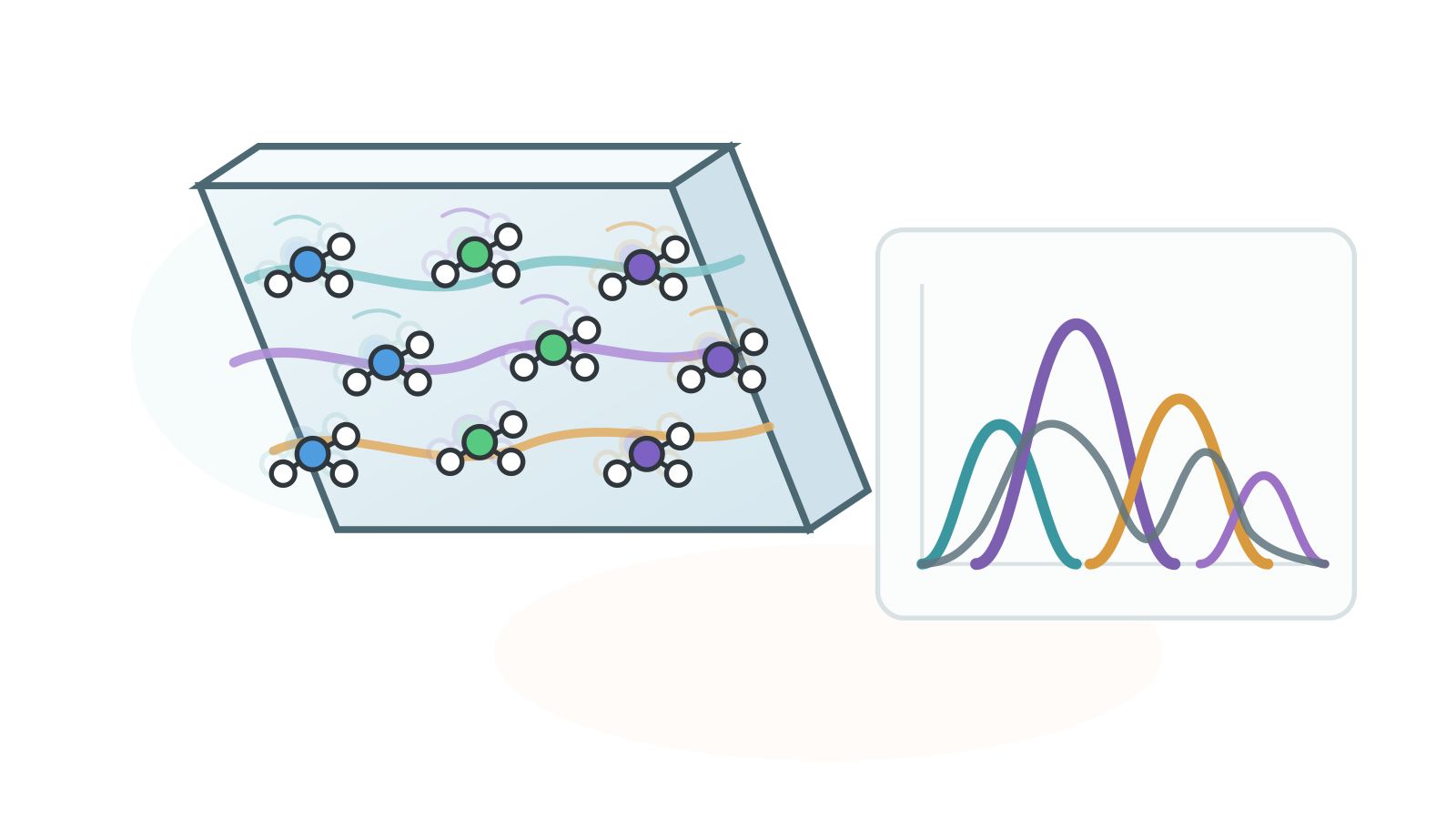
Fundamental advances in low-frequency vibrational spectroscopy
We develop new instrumentation and analysis methods to reveal low-frequency vibrational information with greater sensitivity, reliability and physical clarity.
We work at the interface of pharmaceutical sciences, optical spectroscopy and data-driven analysis.
Our research aims to establish spectroscopy-based and data-driven approaches that provide direct, mechanistic and predictive insight into pharmaceutical materials. The group is increasingly focused on complex and macromolecular systems, including lipid-based and polymer-based materials, with emerging interest in peptide- and protein-related questions. The group is affiliated with the Center for Pharmaceutical Data Science Education, reflecting the integration of pharmaceutical sciences, instrumentation and data-driven analysis. The focus is on linking structural organization, lattice dynamics, molecular mobility and mechanical behaviour to performance-relevant properties.
We develop new instrumentation and analysis methods to reveal low-frequency vibrational information with greater sensitivity, reliability and physical clarity.
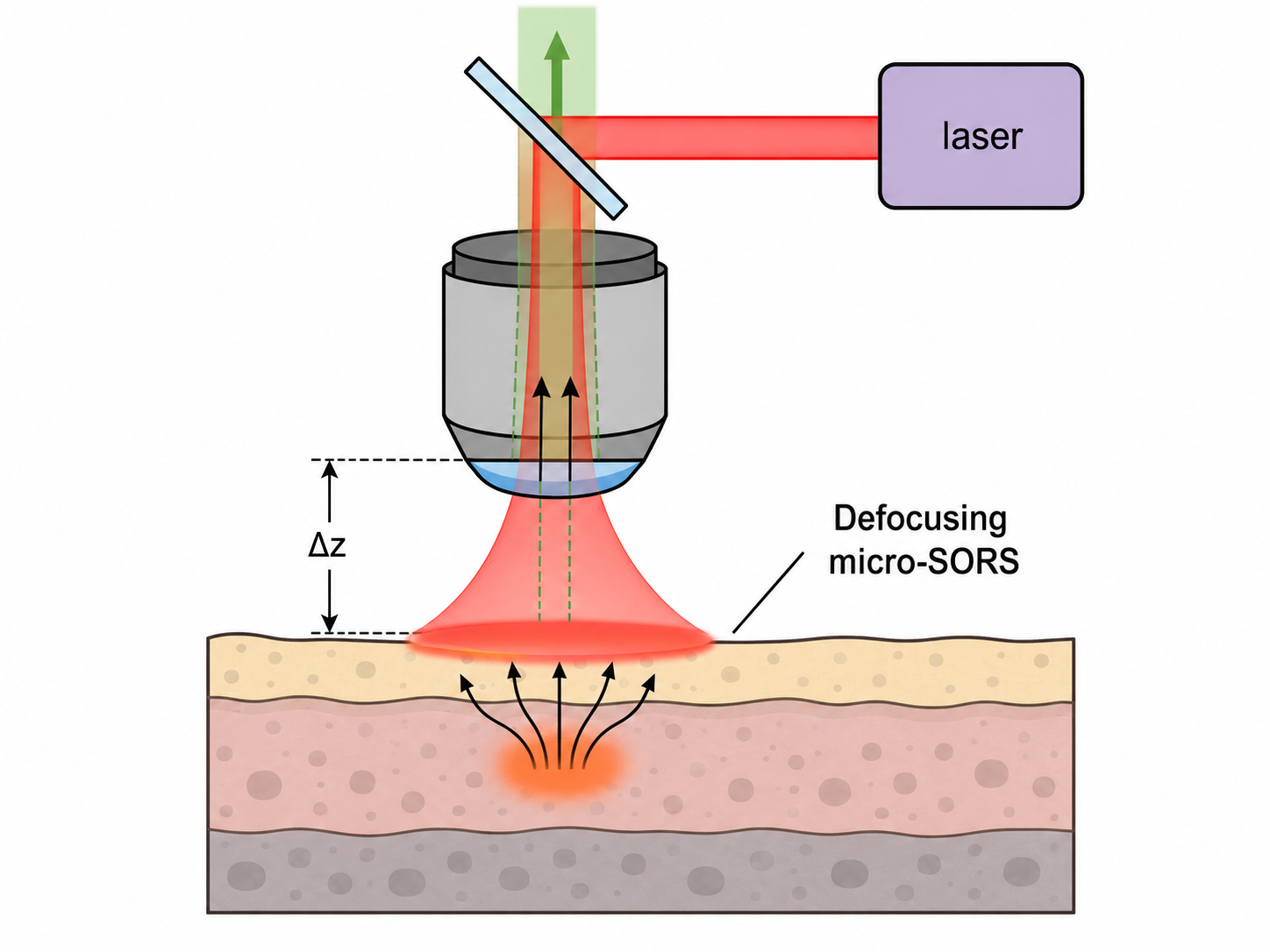
Non-invasive, depth-sensitive Raman imaging for subsurface drug delivery systems and formulation monitoring.
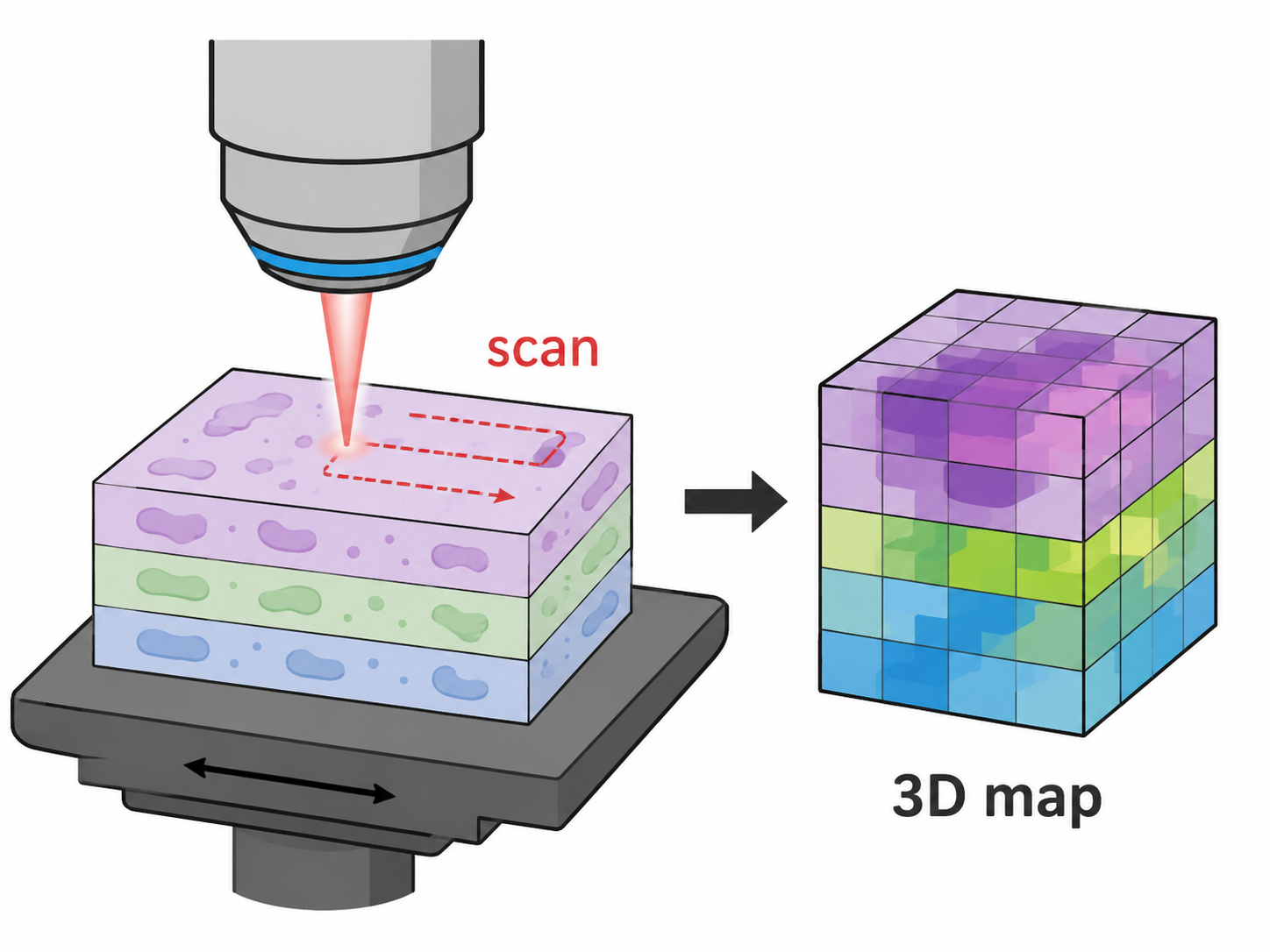
Three-dimensional and spatially resolved Raman imaging approaches for visualizing chemical and solid-state heterogeneity in pharmaceutical materials.
European Journal of Pharmaceutics and Biopharmaceutics
Microchemical Journal
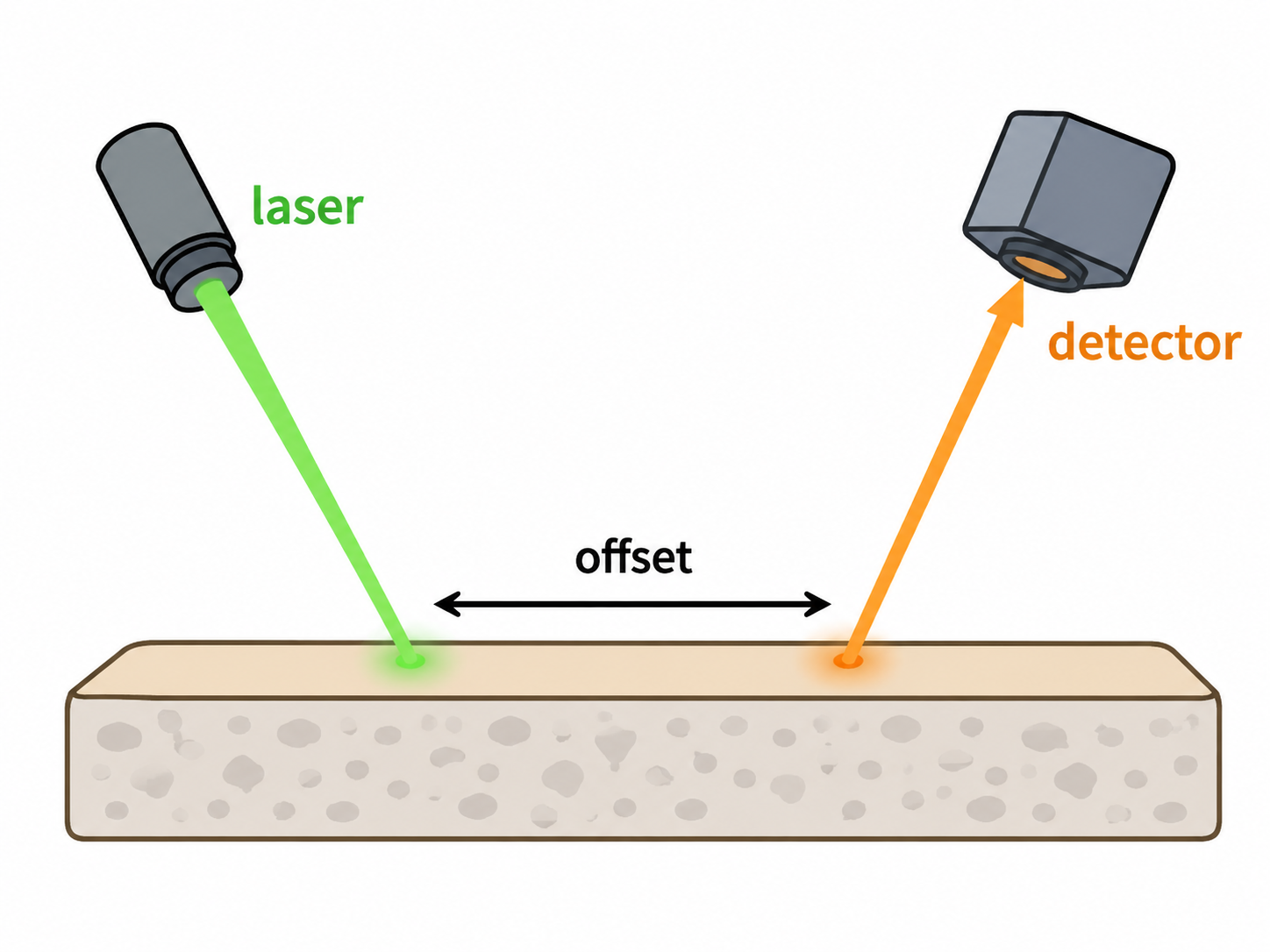
Spatially offset (low-frequency) Raman implementation for subsurface analysis of solid dosage forms, packaged pharmaceuticals and layered materials.
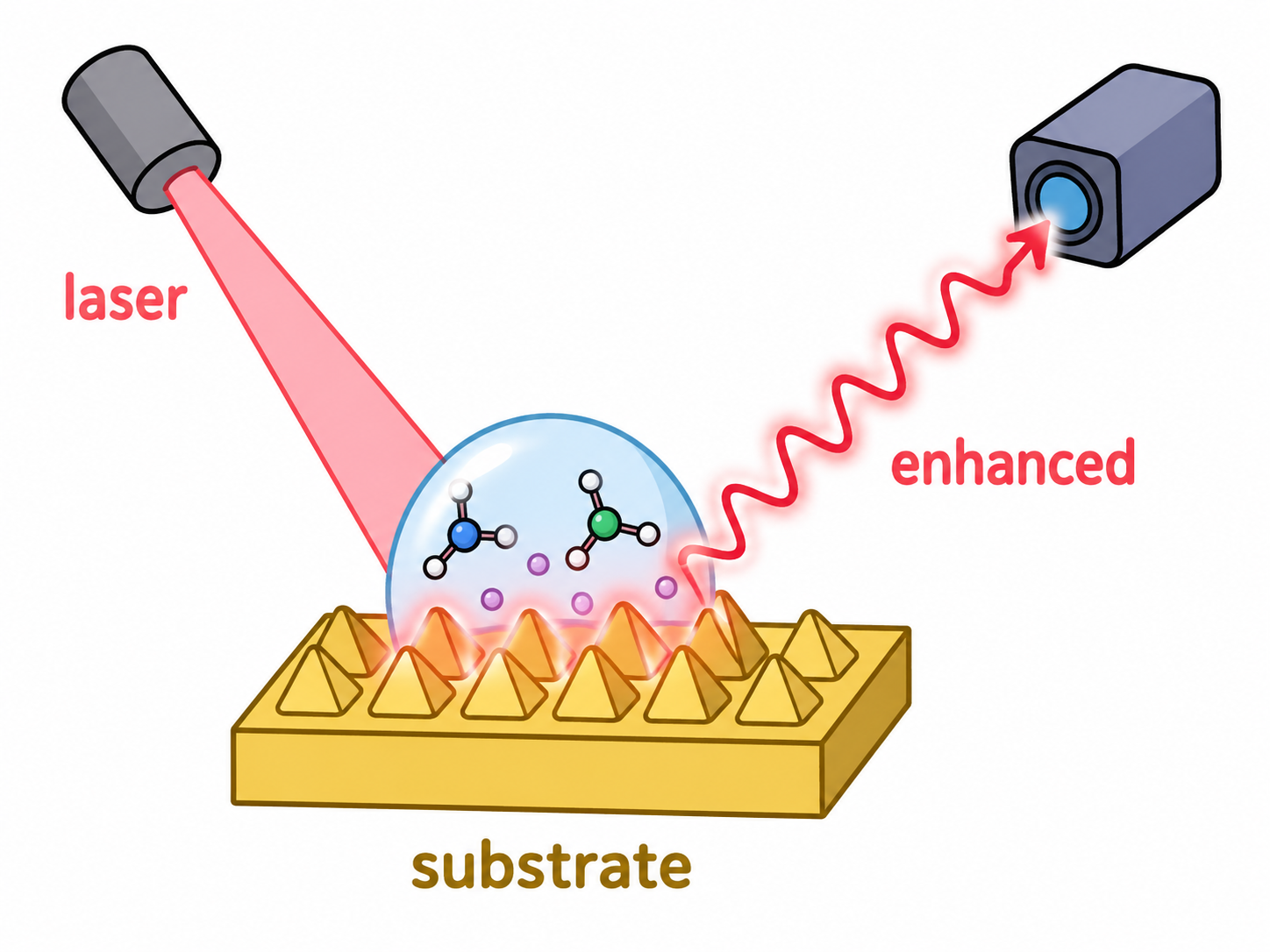
Sensitivity enhancement and low-frequency structural screening using nanostructured SERS substrates.
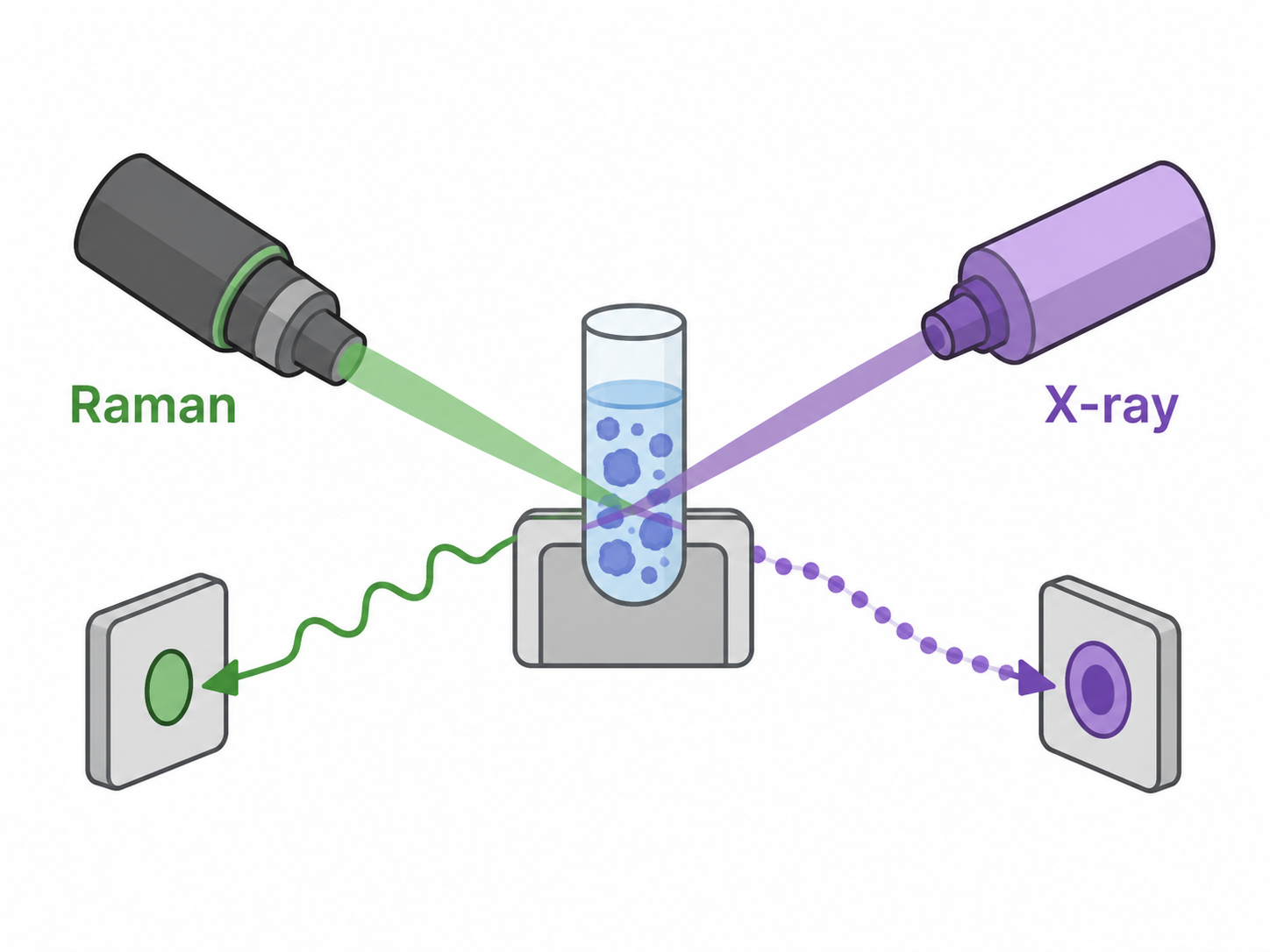
Coupled optical spectroscopy and X-ray scattering to relate low-frequency spectral information to nanoscale structural changes.
Analytical Chemistry
Journal of Colloid and Interface Science
Molecular Pharmaceutics
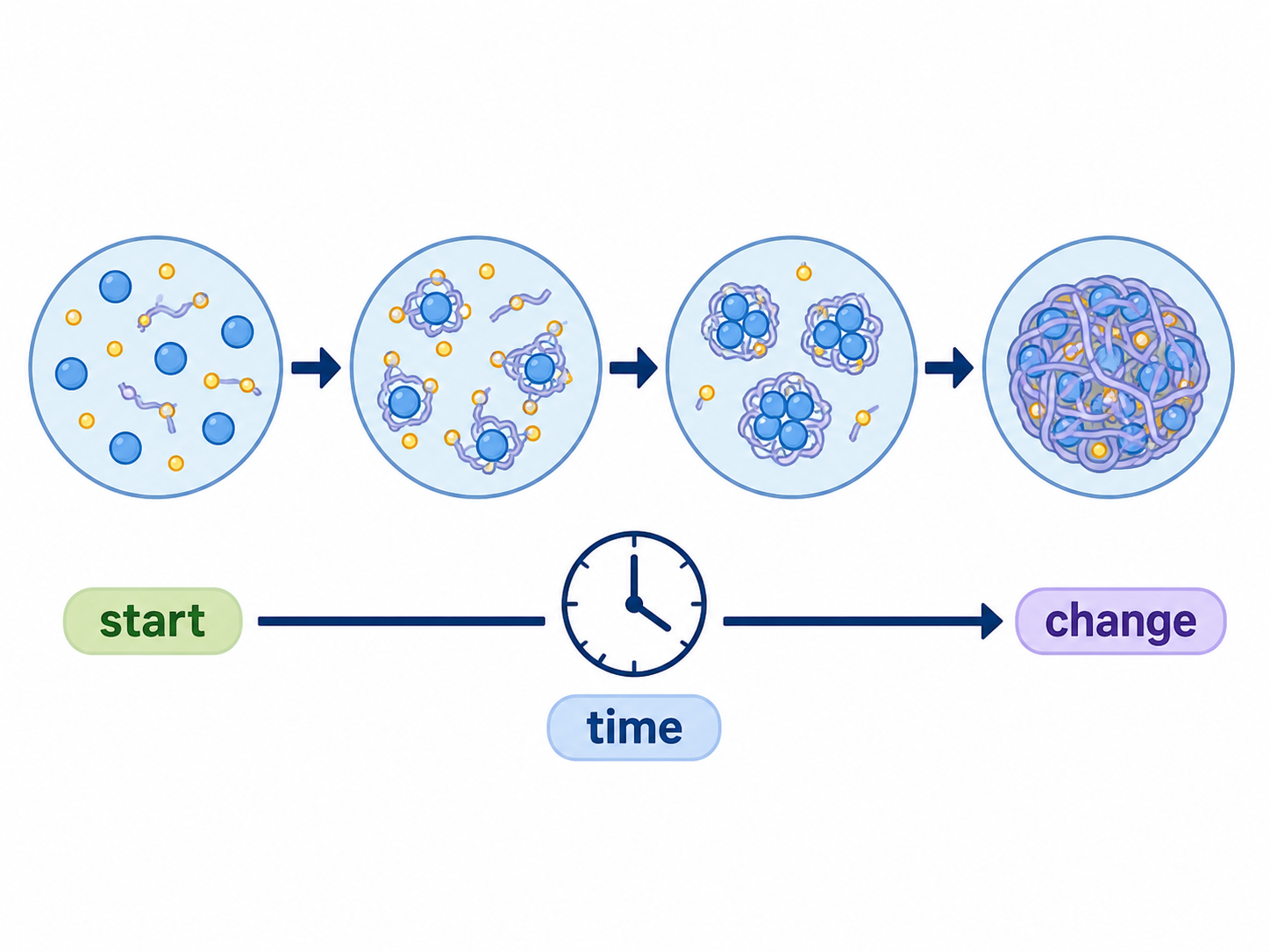
Time-resolved and condition-dependent measurements for following structural change, molecular mobility and formulation behaviour in complex pharmaceutical systems.
Molecular Pharmaceutics
Journal of Physical Chemistry B
Crystal Growth & Design
A central methodological direction is the integration of Brillouin spectroscopy, ultra-low-frequency Raman spectroscopy and conventional Raman analysis into a combined platform. The aim is to extract mechanical, structural and chemical information from the same pharmaceutical material system rather than treating these measurements as separate assays.
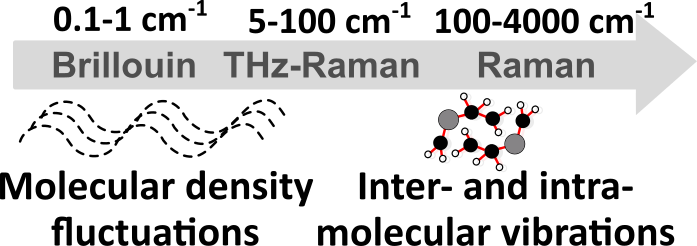
For complex formulations and heterogeneous macromolecular materials, mechanical contrast, collective structural signatures and molecular composition are often coupled. Measuring these domains together can support richer interpretation of material behaviour, formulation performance and process-relevant changes.
For crystalline pharmaceutical materials, we primarily use periodic density functional theory calculations with the CRYSTAL package. This supports assignment and interpretation of low-frequency Raman features, lattice dynamics, molecular packing and solid-state phase behaviour.
Computational models are used as interpretive tools rather than isolated calculations. The aim is to connect experimental spectra with molecular motion, structural organization and formulation-relevant material behaviour.
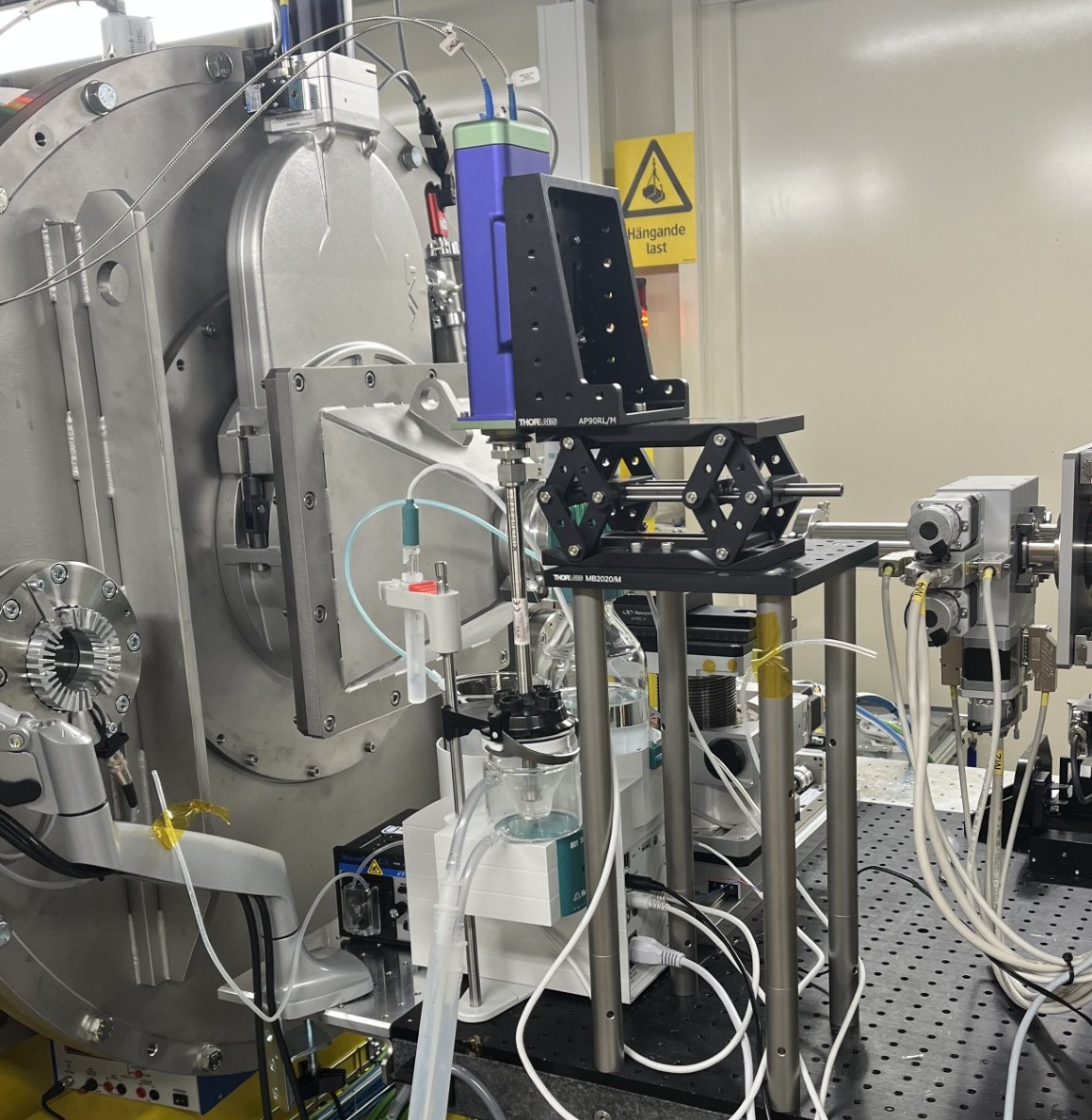
We also work with integrated experimental environments, including combined setups at MAX IV, where optical spectroscopy can be connected with complementary structural characterization to study pharmaceutical materials across length scales.
Vibrational spectroscopy is most powerful when interpreted alongside orthogonal techniques such as SAXS/WAXS, thermal analysis and microscopy. These methods probe complementary length scales and material properties, helping distinguish molecular-level spectral changes from nanoscale organization, crystallinity, morphology and bulk phase behaviour.